
Designing Retail Spaces That Actually Perform
- Keyspace Projects

- Apr 17
- 3 min read
Retail has transformed dramatically in recent years. Today, success depends not only on what you sell but on how customers experience your space, connect with your brand, and find reasons to return. With online shopping at an all-time high, physical stores must offer something digital cannot: a unique connection, vibrant energy, and a strong sense of place.
At Keyspace Projects, we observe that the most successful retail environments in 2026 combine strategic planning with immersive experiences. Below, we explore five essential elements shaping high-performing retail spaces this year.
Location Still Matters, But Experience Matters More
A prime location remains an advantage. Stores with high visibility, easy access, and proximity to complementary businesses attract steady foot traffic. Yet, location alone no longer guarantees success.
Retailers now design spaces that actively invite customers inside. Features like strong street presence, clear sightlines, and welcoming entrances encourage people to step in. Once inside, the layout guides visitors naturally through the store, avoiding confusion or frustration.
For example, a boutique in a busy shopping district might use large windows and open doorways to showcase its products, drawing in passersby. Inside, wide aisles and logical product groupings help customers explore without feeling overwhelmed.
The best locations get noticed. The best store designs make people stay.
Service Is Built Into the Space
Customer service extends beyond staff interactions. The physical environment plays a key role in how supported and comfortable shoppers feel.
Clear signage, intuitive product placement, and spacious layouts contribute to a smooth experience. When customers can navigate easily, they feel confident and are more likely to engage with products.
Staff remain important. Well-trained employees who know both the products and the store layout can enhance the experience. Still, the environment should do part of the work by reducing friction and guiding customers naturally.
For instance, a tech store might use interactive kiosks to provide product information, freeing staff to focus on personalized assistance. Comfortable seating areas and charging stations can also encourage customers to spend more time in the store.
Smarter Product Presentation
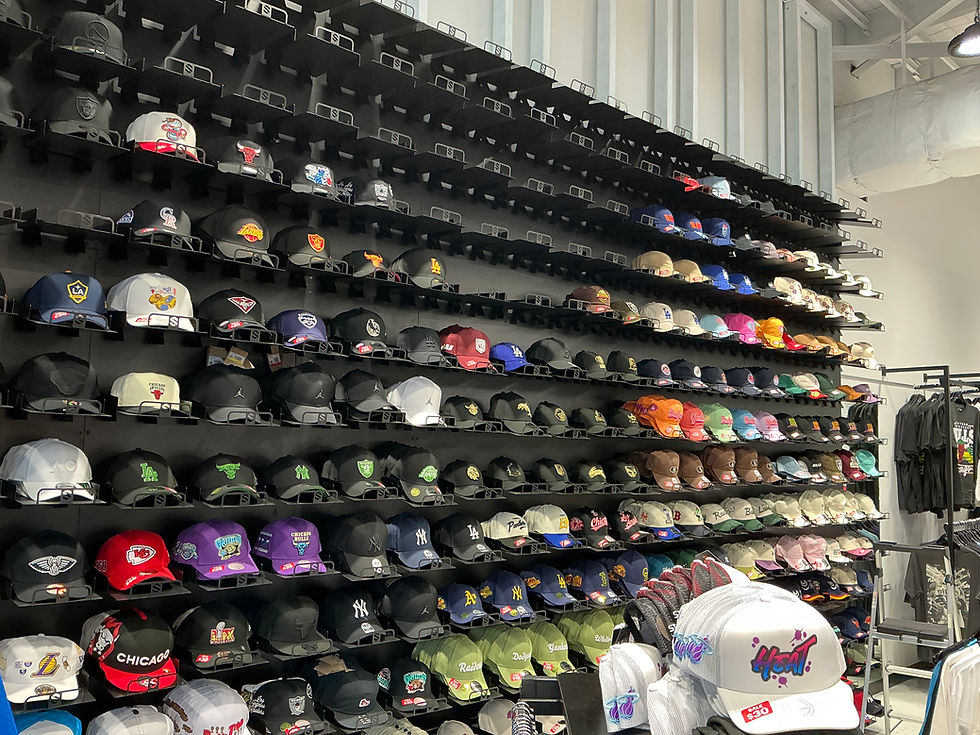
Inventory is no longer just stored or displayed randomly. Retail spaces in 2026 focus on curated presentations that highlight products thoughtfully.
Stores avoid overcrowded shelves and instead give products room to breathe. This approach helps customers focus on individual items and understand their value.
For example, a cosmetics store might arrange products by category with clear labels and testers, allowing customers to explore without feeling rushed. Minimalist displays with well-chosen lighting can make products stand out and create a sense of quality.
Curated product presentation also supports storytelling. Retailers can group items to suggest uses or combinations, encouraging customers to imagine how products fit into their lives.
Technology Enhances, Not Replaces, the Experience
Technology plays a supportive role in modern retail spaces. Instead of replacing human interaction, it enhances convenience and engagement.
Examples include digital price tags that update automatically, augmented reality mirrors for trying on clothes virtually, and mobile apps that guide customers through the store.
A shoe store might use a foot-scanning device to recommend the best fit, while a bookstore could offer digital catalogs to help customers find titles quickly.
The key is to integrate technology seamlessly so it feels natural and helpful, not intrusive or complicated.
Creating a Sense of Community and Belonging
Successful retail spaces build more than transactions—they build relationships.
Stores that host events, workshops, or local artist showcases create a sense of community. This encourages customers to return not just for products but for experiences and connections.
For example, a home goods store might offer DIY classes or seasonal decorating tips, turning the space into a hub for inspiration and learning.
By fostering belonging, retailers turn casual visitors into loyal customers who see the store as part of their lifestyle.


Comments